Source High Performance Graphene Cooling Pad for Greenhouse, Horticulture, Industry
Compare 29 high performance graphene cooling pad options from verified OEM and ODM factories in China. These units feature low noise, industrial water cooling, and certifications like CE and ISO for greenhouse, livestock, and industrial applications; compare the available evidence and request quotations based on your requirements.
Key considerations
Products List




Comprehensive Sourcing Guide
High Performance Graphene Cooling Pad Sourcing Guide
Procuring high-performance cooling pads for industrial and agricultural environments requires a disciplined approach to verifying material integrity and thermal efficiency. Buyers must distinguish between generic cellulose products and advanced composite solutions that integrate graphene-enhanced media for superior heat dissipation. The market offers various configurations, including water-cooled systems designed for greenhouses, livestock facilities, and heavy machinery applications. Understanding the specific operational demands of your facility is the first step in selecting the correct pad architecture.
This guide focuses on evidence-based sourcing strategies for buyers evaluating cooling pad suppliers. It emphasizes the verification of technical specifications, compliance documentation, and commercial terms. By adhering to structured procurement protocols, organizations can mitigate risks associated with inconsistent product performance and supply chain disruptions. The following sections provide actionable insights for evaluating suppliers, ensuring that selected products meet rigorous industrial standards for durability, noise reduction, and energy efficiency.
Product Scope and Observed Listing Signals
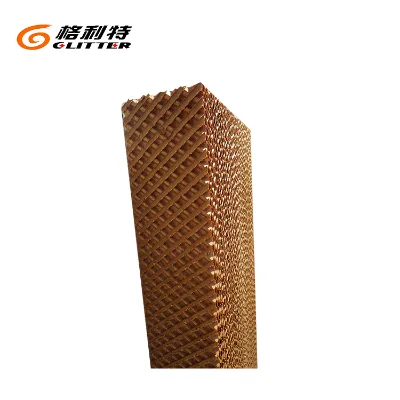
The observed product landscape includes cooling pads with models such as 7060, 7090, and 5070, indicating a range of sizes and capacities. Listings frequently cite dimensions like 1500x600x150mm and 1800x600x150mm, suggesting standardized formats for easy integration into existing ventilation systems. Buyers should note that customization is widely available, with options for tailored lengths and thicknesses to fit specific structural requirements. This flexibility allows for precise engineering solutions in diverse environments, from small horticultural setups to large-scale industrial complexes.
Packing methods vary, with export cartons, paper cartons, and film packaging commonly used to protect the pads during transit. The condition is consistently listed as new, and the color options include brown, black, and yellow, which may correlate with different material compositions or UV resistance levels. Observing these signals helps buyers assess the supplier’s readiness for immediate delivery and their attention to product preservation. It is crucial to confirm that the packaging aligns with your logistical capabilities to prevent damage upon arrival.
Technical Specifications to Verify
Thermal performance and airflow dynamics are critical when evaluating cooling pads. Verify the system type, which is often described as combined or water-cooled, to ensure compatibility with your facility’s cooling infrastructure. The presence of double-speed fans in some listings suggests integrated solutions, but buyers must clarify whether the pad itself includes active components or is a passive media element. Confirming the cooling water source, such as industrial water, is essential for assessing water quality requirements and potential maintenance needs.
Material thickness and density directly impact cooling efficiency and structural longevity. Listings mention thicknesses of 15cm and 300mm, which are significant for high-capacity applications. Buyers should request detailed density specifications and verify the layer construction, such as double-layer designs, to ensure adequate water retention and air passage. Additionally, confirm the expected service life, with some sources citing up to ten years, and validate this claim through independent testing or supplier warranties.
Compliance and Safety Documentation
Regulatory compliance is non-negotiable for industrial procurement. Many suppliers list certifications such as CE, ISO9001, and RoHS, which indicate adherence to international quality and environmental standards. Buyers must verify the current validity of these certificates and ensure they cover the specific product models being ordered. The presence of UR certification in some listings may relate to electrical components if the system includes integrated fans, requiring separate verification of safety standards for active parts.
Documentation should also include material safety data sheets and performance test reports. While specific test results are not provided in the observed listings, buyers should request data on thermal efficiency, water absorption rates, and durability under continuous operation. Ensuring that the product meets relevant industry standards for fire resistance and chemical stability is vital, especially in environments with livestock or sensitive agricultural produce. Clear documentation reduces liability and ensures smooth customs clearance.
Cost Drivers and Commercial Terms
Pricing for cooling pads varies significantly based on size, material quality, and customization requirements. The observed price range spans from $1 to $1200, reflecting the diversity of products from simple media sheets to complete system components. Buyers should analyze cost drivers such as thickness, surface area, and the inclusion of graphene-enhanced materials. Higher prices may correlate with superior thermal conductivity and longer service life, but this must be validated against performance data.
Minimum order quantities (MOQ) typically range from 1 to 1000 units, offering flexibility for both small-scale and large-volume purchases. Negotiating favorable terms involves understanding the supplier’s production capacity and lead times. Buyers should clarify whether the quoted price includes packaging, shipping, and any necessary installation accessories. Transparent commercial terms help in budgeting accurately and avoiding hidden costs that can erode the value of the procurement.
Supplier Qualification and Quality Control
Supplier capability is a key determinant of product reliability. Many manufacturers identify as OEM and ODM providers, indicating the ability to produce custom designs and private-label products. Buyers should assess the supplier’s factory type and production history to ensure they have the expertise to handle complex orders. Verifying the origin of the products, often listed as China or specific cities like Bengbu, helps in understanding the supply chain dynamics and potential logistical advantages.
Quality control processes should be explicitly defined in the procurement agreement. Buyers must inquire about in-process inspections, final quality checks, and sampling procedures before shipment. Establishing clear acceptance criteria based on dimensional accuracy, material consistency, and packaging integrity is essential. Regular audits or third-party inspections can provide additional assurance of quality, particularly for large orders or long-term supply relationships.
Long-Term Procurement Checks
Sustaining a successful procurement relationship requires ongoing performance monitoring. Buyers should track the actual performance of the cooling pads in their operational environment, comparing real-world efficiency against supplier claims. Monitoring factors such as noise levels, which are often cited as low, and the stability of the cooling effect over time provides valuable feedback for future purchases. This data-driven approach helps in refining specifications and selecting suppliers who consistently deliver on their promises.
Reviewing warranty terms and after-sales support is crucial for long-term risk management. A one-year warranty is commonly offered, but buyers should clarify the scope of coverage and the process for claiming replacements or repairs. Establishing a clear communication channel with the supplier for technical support and issue resolution ensures that any problems are addressed promptly. Continuous evaluation of supplier performance and market trends enables buyers to adapt their sourcing strategies and maintain competitive advantage.
FAQs
What certifications do the cooling pads hold?
The cooling pads hold CE, ISO9001, RoHS, UR, and ISO certifications. These standards ensure compliance with international safety and quality requirements for industrial and agricultural applications like greenhouses and livestock breeding.
Can I request custom sizes for the cooling pads?
Yes, customization is available for the cooling pads. The product origin is Bengbu, China, and the standard sizes include 1500*600*150mm or 1800*600*150mm, but you can also request customized dimensions based on your specific needs.
What is the warranty period for these units?
The warranty period for these units is one year. This coverage applies to the new condition equipment used for cooling in machinery, greenhouse, and horticulture industries, ensuring reliability during the initial operational phase.
How are the cooling pads packed for export?
The cooling pads are packed in export cartons, paper cartons, or film depending on the specific model. This packaging ensures safe transport while maintaining the integrity of the product during shipping to international destinations.
What is the expected service life of the pads?
The expected service life of the pads is ten years. This durability makes them suitable for long-term use in animal husbandry, livestock breeding, and industrial cooling applications where consistent performance is critical.
Which models are available for the cooling system?
Available models include 7060, 7090, 5070, and ZN-SP497. These models support combined system types with double-speed fans and are designed for low noise levels in various industrial and agricultural cooling environments.
What is the cooling water requirement for operation?
The cooling water requirement is industrial water. This specification applies to the water-cooled system type used in machinery and livestock breeding, ensuring efficient heat dissipation during continuous operation in high-performance settings.